Facilitating Agricultural Transformation

India’s agricultural landscape is marked by significant opportunities for improvement, particularly in technology integration, resource optimization, and yield enhancement. The Sejwal Foundation identifies these challenges as pivotal points for intervention, focusing on transforming the production system through innovative strategies.

Addressing Gaps in Agricultural Productivity

Recognizing the need for enhanced knowledge management, market connectivity, and value chain development, the Sejwal Foundation crafts holistic project frameworks. We aim to maximize farm productivity and profitability by leveraging technology-driven solutions and market-oriented approaches.

Collaborative Project Implementation

Sejwal Foundation partners with corporations, institutions, and state governments to execute impactful agricultural projects. These collaborations ensure that initiatives are well-funded and strategically designed to meet the specific needs of local farming communities. By fostering a culture of diversified farming practices, we empower farmers to achieve higher investment returns.

Empowering Farmers for Sustainable Growth

Through a combination of cutting-edge technology, collaborative project management, and market integration, the Sejwal Foundation seeks to empower Indian farmers to achieve sustainable growth and greater economic stability. By addressing the existing inefficiencies and knowledge gaps, we are committed to transforming the Indian agricultural sector into a resilient and productive sector that supports the nation’s food security and economic development.
Innovative Farming Practices

Partnered Farming Initiatives

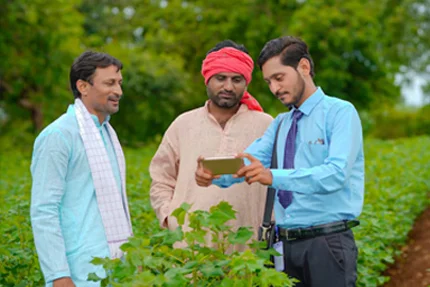
The Sejwal Foundation is pioneering a new agricultural era by fostering collaborative relationships between farmers and buyers through innovative partnership models. This approach ensures stable contracts for producers, market access, and fair crop prices. Farmers are supported with comprehensive guidance on crop selection, yield management, and market trends, enhancing their overall productivity and income stability.

Organic / Natural Farming Systems

For sustainable agriculture, the Sejwal Foundation Promots an organic or Natural farming approach prioritizing ecological balance and biodiversity. We empower rural communities by establishing self-sufficient farmer groups and cooperatives, focusing on organic production, processing, and marketing. Our expert advisory services cater to individual farmers, cooperatives, and corporations, helping them adopt environmentally friendly practices to contribute to economic growth and poverty reduction.

Precision Farming Solutions

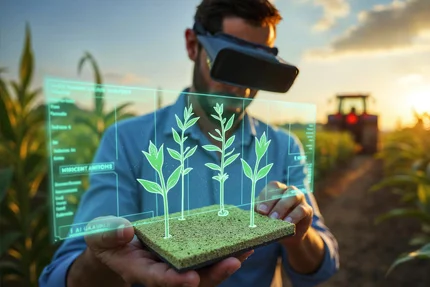
At the forefront of modern agriculture, the Sejwal Foundation is embracing precision farming technologies, including robotics, ICT, and Earth Observation. We collaborate with global partners to set up model precision agriculture farms, serving as hubs for technological innovation and knowledge dissemination among farming communities. These partnerships aim to accelerate the adoption of sustainable precision farming practices nationwide.

Farmer Advisory Platforms

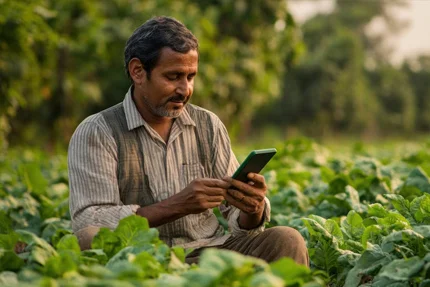
Sejwal Foundation is developing virtual knowledge-sharing platforms, such as mobile apps, to connect high-tech farmers with experts in precision agriculture. This digital infrastructure enables immediate access to expert advice, facilitating real-time problem-solving and continuous improvement in farming practices.

Climate-Resilient Agriculture

The Sejwal Foundation advocates for climate-smart agricultural practices that enhance resilience against climate uncertainties. We promote techniques like farm ponds, mulching, and adequate water management through micro-irrigation systems to ensure sustainable soil health and water conservation. We aim to support farmers in achieving higher productivity while mitigating environmental impacts and contributing to national food security and climate change mitigation efforts.

Best Agricultural Practices

Sejwal Foundation collaborates with corporate partners and governments to implement Good Agricultural Practices (GAP) across various regions. We organize small farmers meetings of common interest groups and provide them with extensive training on agronomic best practices, quality inputs, and market access, ensuring improved livelihoods and adherence to global quality standards.